
How Online Casinos Work: Technology, Fairness, and Payouts
Introduction to Online Casinos
Over 100 million people worldwide engage in online gambling, with the industry expected to reach NZ$ 93.6 billion by 2026. The rise of online casinos has led to a significant shift in the way people gamble, offering a wide range of games and betting options to players worldwide. This section will introduce the basics of online casinos, their history, and their current state. For instance, marvel casino is a popular online casino that offers a variety of games and promotions to its players.
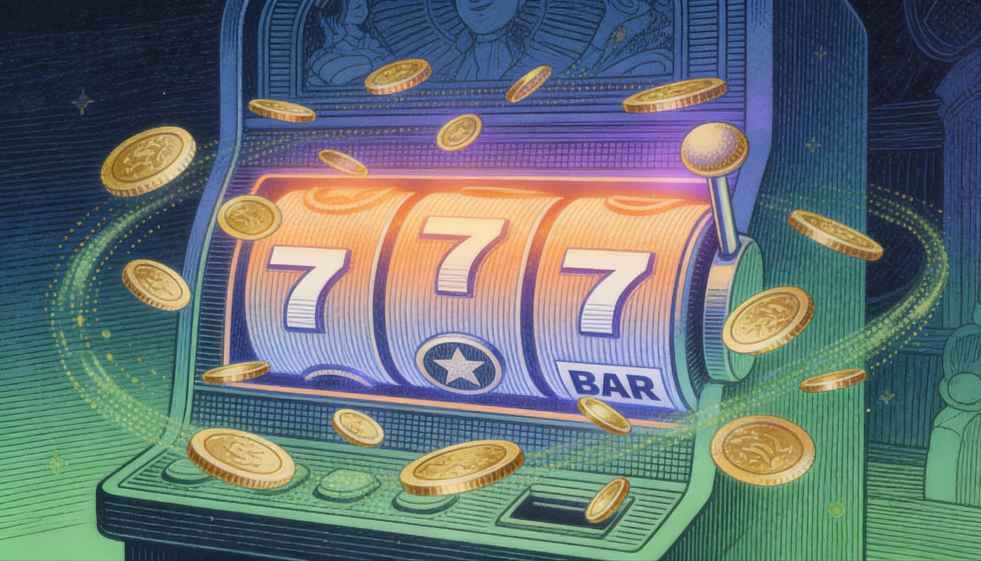
The online casino industry has come a long way since its inception in the mid-1990s. Today, online casinos offer a range of games, including slots, blackjack, roulette, and poker, among others. With the advancement of technology, online casinos have become more secure, reliable, and user-friendly, making it easier for players to enjoy their favorite games from the comfort of their own homes.
The Technology Behind Online Casinos
The technology behind online casinos is complex and involves various components. The following table highlights some of the key components and their importance:
| Component | Description | Importance |
|---|---|---|
| Random Number Generator (RNG) | Generates random numbers for games | High |
| Encryption | Secures player data and transactions | High |
| Software Providers | Develop and supply casino games | Medium |
| Payment Processors | Handle player deposits and withdrawals | High |
The Random Number Generator (RNG) is a critical component of online casinos, as it ensures that the games are fair and unpredictable. Encryption, on the other hand, is used to secure player data and transactions, protecting them from unauthorized access. Software providers, such as Microgaming and NetEnt, develop and supply casino games, while payment processors, like PayPal and Skrill, handle player deposits and withdrawals.
Fairness and Regulation in Online Casinos
Licensing and Certification
Online casinos must obtain licenses and certifications from reputable regulatory bodies to ensure fairness and transparency. The Malta Gaming Authority and the UK Gambling Commission are two of the most well-known regulatory bodies in the industry. These licenses and certifications ensure that online casinos operate fairly and honestly, and that players are protected from fraudulent activities.
Auditing and Testing
Online casinos are regularly audited and tested to ensure that their games are fair and random. Independent testing agencies, such as eCOGRA, conduct regular audits to ensure that online casinos comply with industry standards. These audits and tests help to build trust and confidence among players, and ensure that online casinos operate fairly and transparently.
Payouts and Winnings in Online Casinos
Withdrawal Methods
Online casinos offer a range of withdrawal methods, including credit cards, e-wallets, and bank transfers. Players can choose the method that suits them best, and online casinos typically process withdrawals quickly and efficiently. For example, some online casinos offer same-day withdrawals, while others may take a few days to process withdrawals.
Taxation and Withholding
Players should be aware of the taxation and withholding policies of online casinos. In some countries, players may be required to pay taxes on their winnings, while in others, online casinos may withhold a portion of the winnings. Players should always check the terms and conditions of the online casino to understand their taxation and withholding policies.
Security Measures in Online Casinos
Data Encryption
Online casinos use advanced data encryption technology to protect player data and transactions. This technology ensures that all data transmitted between the player’s device and the online casino’s server is encrypted and secure. Players can verify the security of an online casino by looking for the https protocol in the URL and the padlock icon in the address bar.
Two-Factor Authentication
Two-factor authentication is an additional security measure that online casinos use to protect player accounts. This technology requires players to provide a second form of verification, such as a code sent to their mobile device, in addition to their username and password. This adds an extra layer of security to the player’s account, making it more difficult for unauthorized users to access the account.
Author
Mariana Herrera is an expert in sports betting markets and odds analysis, with a deep understanding of the online gaming industry. As a seasoned analyst, she provides valuable insights into the world of online casinos, helping players make informed decisions about their gaming experience.
FAQ
What is the minimum age to play at an online casino?
18 years old
How do I know if an online casino is fair and trustworthy?
Check for licenses and certifications from reputable regulatory bodies
What are the most common payment methods accepted by online casinos?
Credit cards, e-wallets, and bank transfers
Can I play online casino games on my mobile device?
Yes, most online casinos offer mobile compatibility
How long does it take to receive a payout from an online casino?
Typically 1-5 business days, depending on the withdrawal method